
Introducing Dr. Rachel Davis
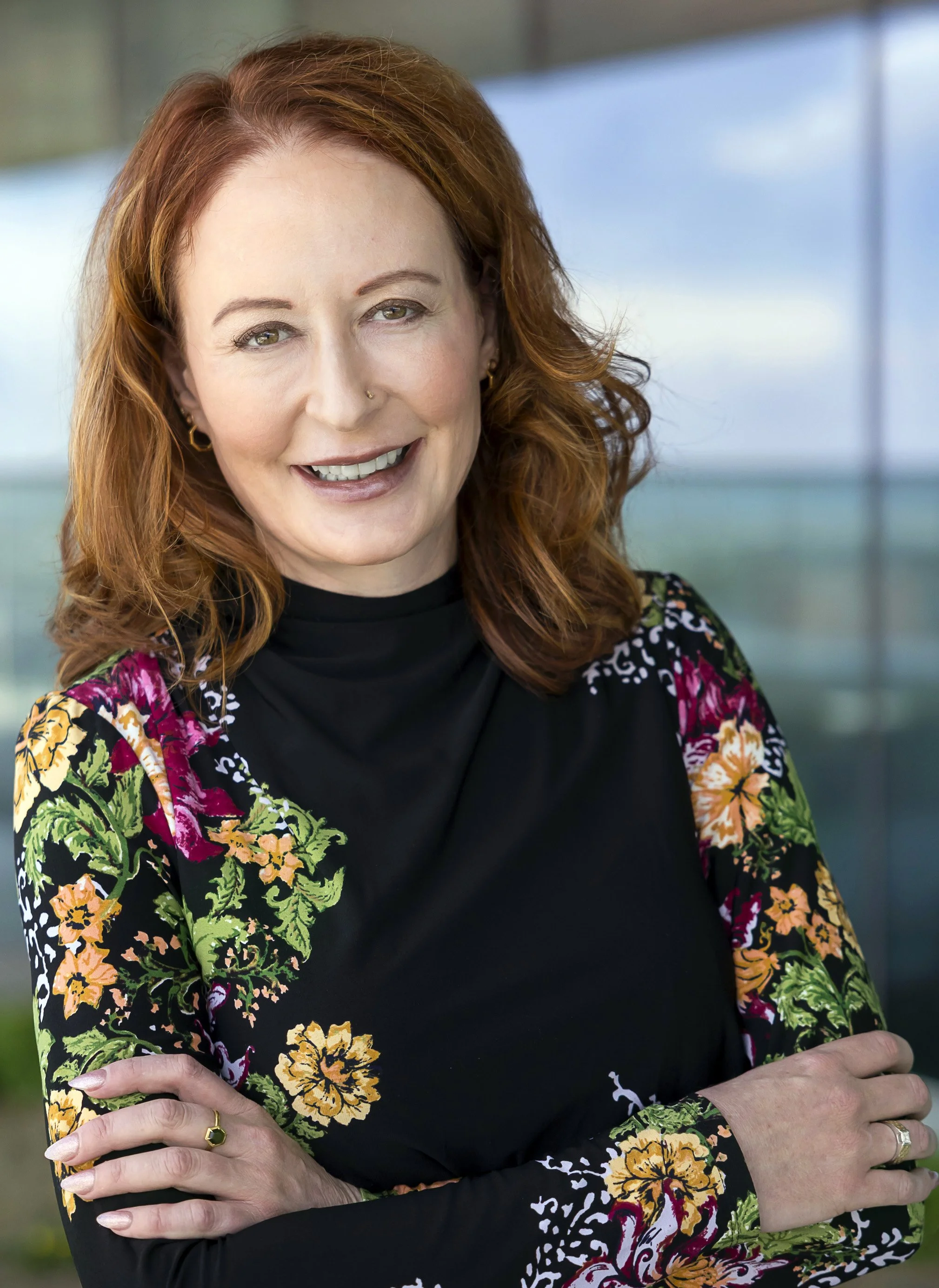
Rachel Davis, MD, DFAPA
The Lens of OCD: The Brilliance and the Burden of Seeing Everything
Love, Anything Opening Keynote Speaker
April 10, 2026
Elizabeth and I want to thank you for being here. We want you to know, we greatly appreciate you choosing to show up. And in looking at the attendance this evening, I will tell Ryyan: You are loved!
From the moment we gained enough clarity as we lumbered through the darkness of the catastrophe that befell us, we knew we had to do something. We knew we had to stand up. We had to engage, and we knew, we had to sustain Ryyan’s presence, while cognizant of his physical absence, determined to keep him right here with us, in spirit, in energy, and in purpose. That resolve gave birth to the Ryyan Chacra Foundation.
We realized from the initial planning stages that opportunities for meaningful contributions in the arenas of anxiety, brain disorders, and suicide, were attainable. And with the drafting of the Foundation’s mission statement, we set out, focused on the critical importance of supporting effective outreach efforts, informed by research, to help shed light on OCD as a brain disorder. And this is why we are here today. This is what led us to the CU Anschutz Medical Campus and our partnership with the Department of Psychiatry OCD Program, and its Medical Director Dr. Rachel Davis.
For those who didn’t know Ryyan, he was highly successful, creative, humble, kind and with many deep friendships. We were a tight family of three. We loved spending time together and up until the last three and a half months of his life we had little indication there was something wrong. It takes 11-17 years, on average, to get an OCD diagnosis after symptoms show up, and Ryyan was no exception. He was 28 when he was diagnosed with OCD.
Ryyan started photography at a young age and continued for the rest of his life. His archive holds thousands of photographs and he started building a website project with the hope of selling his work. Although Ryyan’s photography stands on its own merit, our goal is to help others understand what anxiety and a brain disorder like OCD are, and share what we have learned after the loss, using photography as a way to initiate conversations.
After we lost Ryyan, we were introduced to Dr. Rachel Davis by Dr. Neil Wiener, a friend and psychiatrist. In our first meeting at her office, we felt heard. She made us feel we found a potential partner on this journey of ours. Since that first meeting in late 2024, Dr. Davis has consistently engaged with us, opening doors and facilitating the realization of this event: Love, Anything - a photographic exhibition with 28 expressions of how Ryyan viewed the world, and a speaker series. The series explores the complexities of anxiety, perfectionism, and OCD, by defining what OCD is, describing the experience of managing it, empowering parents and friends supporting struggling loved ones, and finally, extracting meaning and forging hope.
When we participated in support group gatherings, we were given writings on loss, suicide, and grief. In those writings, the notion of a “rescue fantasy” stood out for us–that feeling that we could have done something to save him.
Over time, we slowly came to re-interpret this “rescue fantasy”, not as a burdensome admission of failure, but as a an opportunity to render Ryyan’s name, contribution, and legacy as a consequential force in our lives, and in the life of the community to which he belongs. And in reviewing some of Ryyan’s journal entries, his creative sketches and repetitive logs, we have come to realize that in our efforts to support him, by being present, by validating his new reality with a positive narrative, in response to abrupt changes he had willed, like resigning from his job, we were at best circling the periphery of a closed space. We were blind to the moat that separated us. We could not identify what lay behind his radiant energy, his confident positivity, his brilliance. And we were not equipped to speak the language of OCD.
This is why we are focused on conducting the work of the Foundation as a quest to understand Ryyan’s struggle, and in so doing, honor Ryyan’s dignified silence about his inner demons, by helping to de-stigmatize brain disorders and empower young people, especially men, to open up.
Thank you for being here. Please welcome Dr. Rachel Davis.
Elizabeth Metz and Tarek Chacra
